
3 February 2026
Why We Don't Use Charcoal
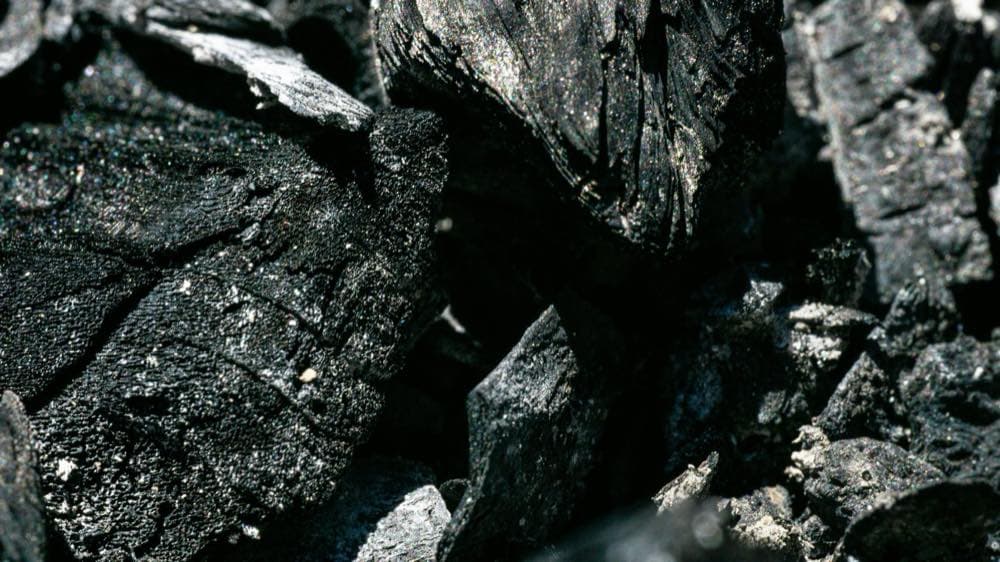
Walk into almost any incense shop in India and you'll notice the same thing before you notice anything else: soot. A thin grey film on the shelves, on the wall behind the counter, sometimes on the shopkeeper's fingers. That's charcoal doing what charcoal does — burning fast, burning hot, and leaving a residue behind. It isn't a flaw exactly. It's just what the vast majority of incense in this country is built on, and has been for a very long time.
Charcoal ends up in incense for a simple reason: it's an excellent combustion base. Mixed into a paste and packed around a bamboo core, it catches easily, burns at a steady, predictable rate, and it's cheap — genuinely cheap, in a way that matters when you're producing incense at the volume most of the market demands. None of that is a criticism. It's physics and economics doing what they do, and it's why charcoal shows up in almost every mass-market stick you've ever bought.
We chose not to build Cense that way, and the reason is less about avoiding something bad and more about wanting something specific. Our sticks are built on a joss powder and natural binder base instead — a plant-derived paste that holds everything together around the bamboo core without needing a fast-burning combustible at its centre. Into that base goes what actually gives Cense its character: reclaimed temple flowers from Kamakhya, dhuna resin carried down from Karbi Anglong, and essential oils drawn from farms across Assam and Meghalaya.
The difference is obvious the moment you light one. A charcoal-based stick tends to flare and then settle into a strong, fairly one-note burn — smoke first, fragrance second. What we use releases more slowly, with a noticeably lighter trail of smoke, and it lets the raw materials speak for themselves instead of layering a charcoal note over everything else. Dhuna smells like dhuna. Agarwood smells like agarwood. You're not smelling charcoal with hints of something else underneath it.
None of this is us claiming to have invented anything — joss powder bases have been used by incense makers across South and Southeast Asia for a long time. What we can say is that it was a deliberate choice for us, made early on, and one we've stuck with even though it's slower and more expensive than the alternative. Cense was always meant to be a small-batch fragrance house rather than a high-volume incense brand, and the base every stick is built on is one of the clearest ways that shows up before you've even lit the first one.